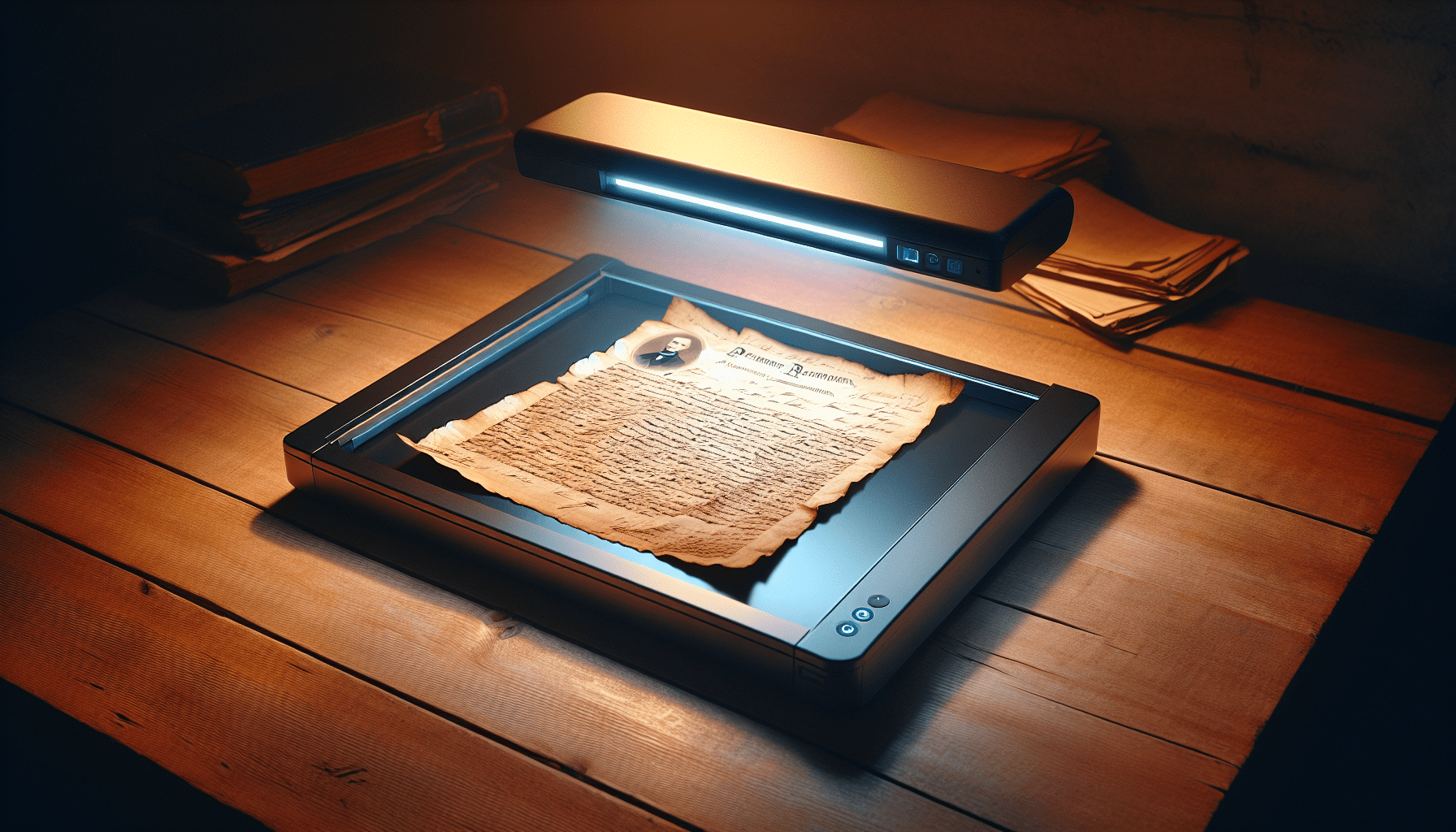
Last December the Government announced a proposal with notice of a consultation process which was important for historians and genealogists.
The Ministry of Justice proposes to destroy millions of original Wills dating from 1858 which are kept, by law, at the Probate Registry in Birmingham. After digitisation, the original Wills will only be available for 25 years, then they will be disposed of. It is claimed that this exercise will save £4.5 million per year in storage costs and provide easier access for interested parties to see the content of the documents. The Ministry of Justice proposes to keep original Wills of notable or famous figures from history and seeks ideas as to what criteria this would require.
There has been quite an outcry in response to the proposals and there are articles mainly arguing against the idea in newspapers, magazines and online including those from The Society of Genealogists (naturally) to the Royal College of Psychiatrists. If accepted, a change of law will be required and have to be obtained by Parliament.
So does it really matter if the old, original papers are destroyed? After all they will be digitised like so many documents we use and the argument that eventually they will be easier to access online is probably true. We will still be able to see what our Great Grandfather’s signature looked like, discover family members we didn’t know existed and be able to gauge his wealth and see his treasured possessions. Physical storage is not a failsafe option, after all, being at risk of fire or theft or decay.
Is digitisation really preservation? Whilst welcoming greater and easier access, as a genealogist I am well aware of the problems of looking at documents this way. Too many times I have found that pages have been missed in the digitisation process or torn edges have obscured writing. I have found indexing mistakes and pieces of paper have found their way in to a document covering part of a page.
Still, a lot of us rely on digitised records available from archives all around the country and we trust that we can access them quickly and safely from our kitchen table. Can we be sure that the technology used for this is robust and secure and can be updated without compromise? Last October the British Library Catalogue and online documents were subject to a serious cyber attack. The hackers even released part of their haul onto the dark web including user information. It was a serious situation which has taken a very long time to remedy. More information here: https://blogs.bl.uk/living-knowledge/2024/03/learning-lessons-from-the-cyber-attack.html
We are told that historical and important figures will have their original Testament’s retained but how on earth is a criteria reached? Who constitutes a significantly important person? Could this become political? In the current cancel culture it is certainly possible and what if someone is discovered to be historically important in the future? The opportunity will have been missed.
Importantly but perhaps overlooked and misunderstood by the Ministry of Justice is the fact that physicality matters. For many of us seeking to trace and understand our ancestors, the emotional impact of seeing such an important document in it’s originality cannot be underestimated. The very paper that our forefathers touched to sign and the ink that dried on the document thereafter. We can be sure of the source and confident of its origin.
What if the move goes ahead and is considered a success and money is saved? Where will the move into digitising and destroying documents end? Who decides what we keep? Original birth, marriage and death certificates? Parish records? Army records or Naval Diaries? I could go on. When books held only at the British Library have been digitised will they be destroyed too?
I wanted to be objective and try to accept that we no longer need these Wills after digitisation and I’ve tried my best not to be sentimental about it. I’ve tried to ignore fuming historians and headlines calling the destruction “sheer vandalism” or “deleting history”. Taking into account all the objections I’ve covered, I believe that the destruction should not happen. The documents are history themselves, in a material sense, written out by clerks and signed by our Ancestors with witnesses in the room. A living museum and memorial.
The consultation submission deadline has ended but there is still an online petition to stop the move at https://petition.parliament.uk/petitions/654081 and this is open until beginning of July.
The decision is promised later in the year.
Your thoughts?


What next do we throw out? Magna Carta? Do we move on to destroying things? Already seen a lot of cultural vandalism – even today, historic dovecot (or pigeon house…used as a food store) been demolished illegally! Who gets to decide what we keep, what we destroy?
No – this is not right!
LikeLike
wow!! 42Meaningful Remembrance: Unveiling the Stories of Two Fallen Soldiers in Southwold
LikeLike